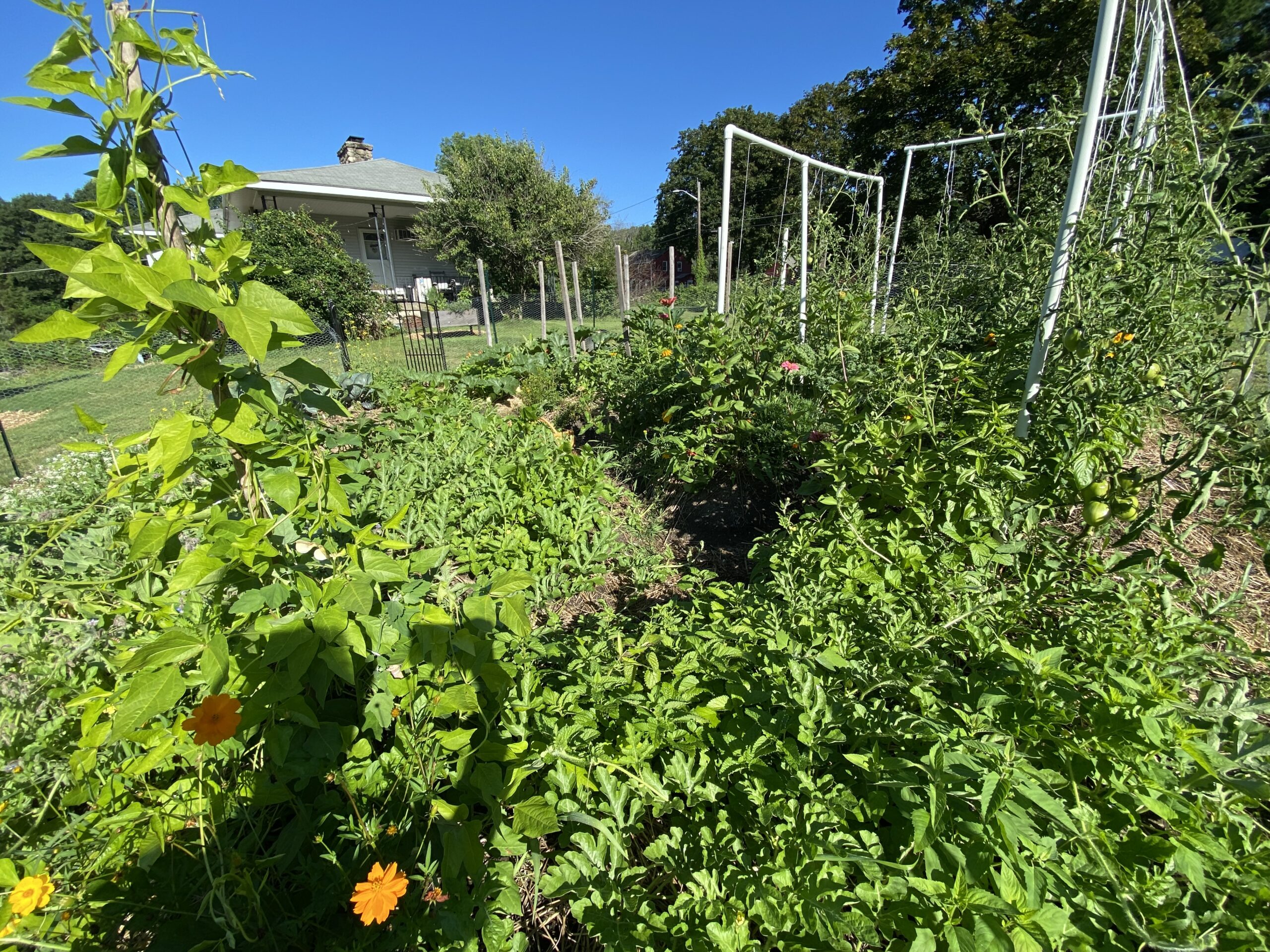
Follow a few simple steps to the low maintenance garden of your dreams.
It’s spring and you dream of a garden bursting with life. Maybe you plant a few seeds, but before long the reality of tending to a garden sets in.
By the time the heat of the summer hits, the sight of your struggling plants causes a pang of guilt. If this sounds familiar–there is a better way.
Certainly, there is always some work you’ll need to put into maintaining your garden. After all, part of the joy of gardening is getting your hands in the dirt and spending time outside. Still, we can make strategic choices that ensure a healthy garden with minimal human intervention.
Read on for the complete guide to low maintenance gardening.
Choose Low Maintenance Plants
One of the most important factors in starting your low maintenance garden is your plant choice. Generally, a low maintenance plant is a plant that has all of its needs met by the local conditions (sun, water, soil, climate.)
There is no one-size-fits-all list of low maintenance plants because a plant that is low maintenance in one environment may be very fussy (or downright not grow at all) in another.
For example, a cactus may be a low maintenance plant in the arid climate of the American Southwest but a high maintenance indoor plant in the temperate Northeast.
USDA Hardiness Zone
How do you determine whether a certain plant will grow well where you live? One major indicator is the plant’s UDSA zone rating.
The USDA maintains a map of the United States carved into regions with similar climates called “hardiness zones.” It is important to know the hardiness zone where you live when shopping for plants. You can determine your hardiness zone by entering your zip code on the USDA website.
Many nurseries provide the hardiness zone rating of the plants they offer. Look for something like “Hardiness Zone: 4-8” on the tag or description.
How to Find Low Maintenance Plants
After you’ve ensured a plant will grow in your climate, there are additional characteristics to look for that will make your life easier.
Native Plants
Native plants have co-evolved with the elements of a particular ecosystem for millennia without human intervention. As such, they require virtually no maintenance and support local birds and pollinators. You can find flowers, grasses, fruits, shrubs, and trees native to your region using the National Wildlife Federation Native Plant Finder.
Perennials
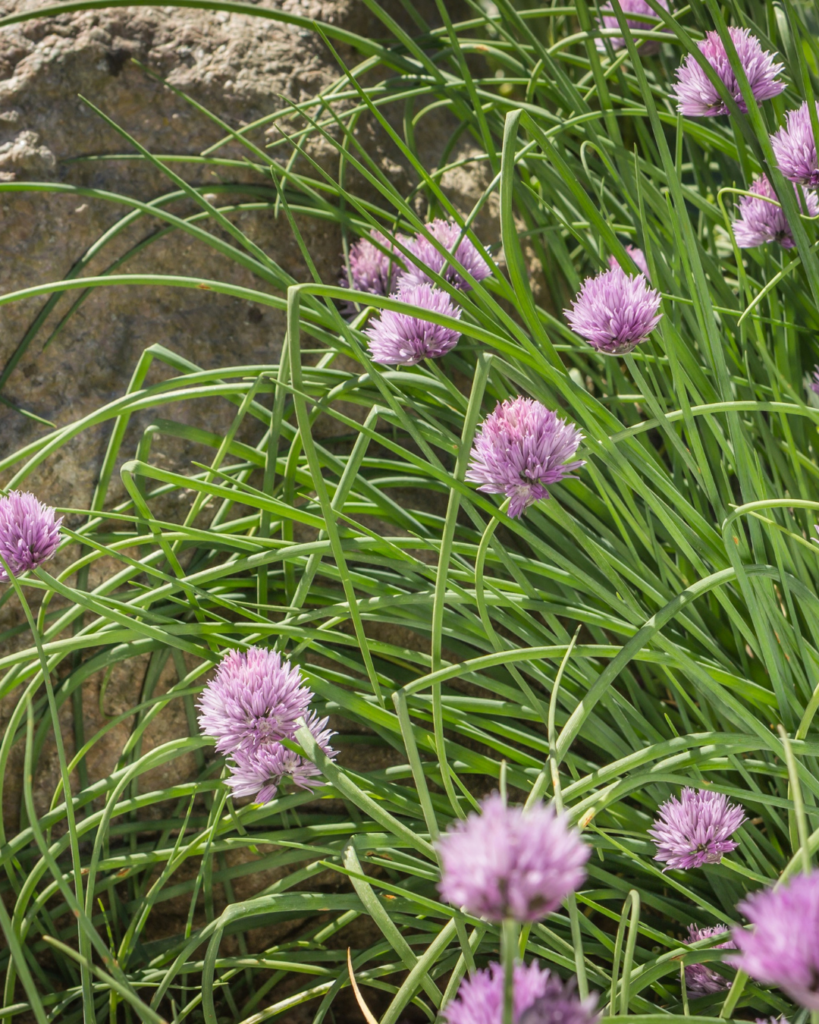
When many people think of a garden, they think of the classic annual vegetables like tomatoes that are planted from seed in the spring and die back in the fall. Lucky for us, there are also perennial vegetables that will grow again year after year without any work on our part.
Common edible perennials include:
- Asparagus
- Rhubarb
- Jerusalem artichokes (sunchokes)
- Artichokes
- Chives
- Horseradish
- German thyme
- Lemon balm
- Good-King-Henry
Disease Resistance
Just like humans, plants are susceptible to all sorts of disease caused by bacteria, fungi and viruses. If you’ve ever had a tomato succumb to a mid-season blight, you know this all too well. Luckily, there are many laboratories hard at work creating disease-resistance cultivars of our favorite plants.
Pest Resistance
There are many critters eager to eat your vegetables before you do. There are means to deal with insect infestations, but it’s better to nip the problem in the bud by choosing plants resistant to common pests.
Deer Resistance
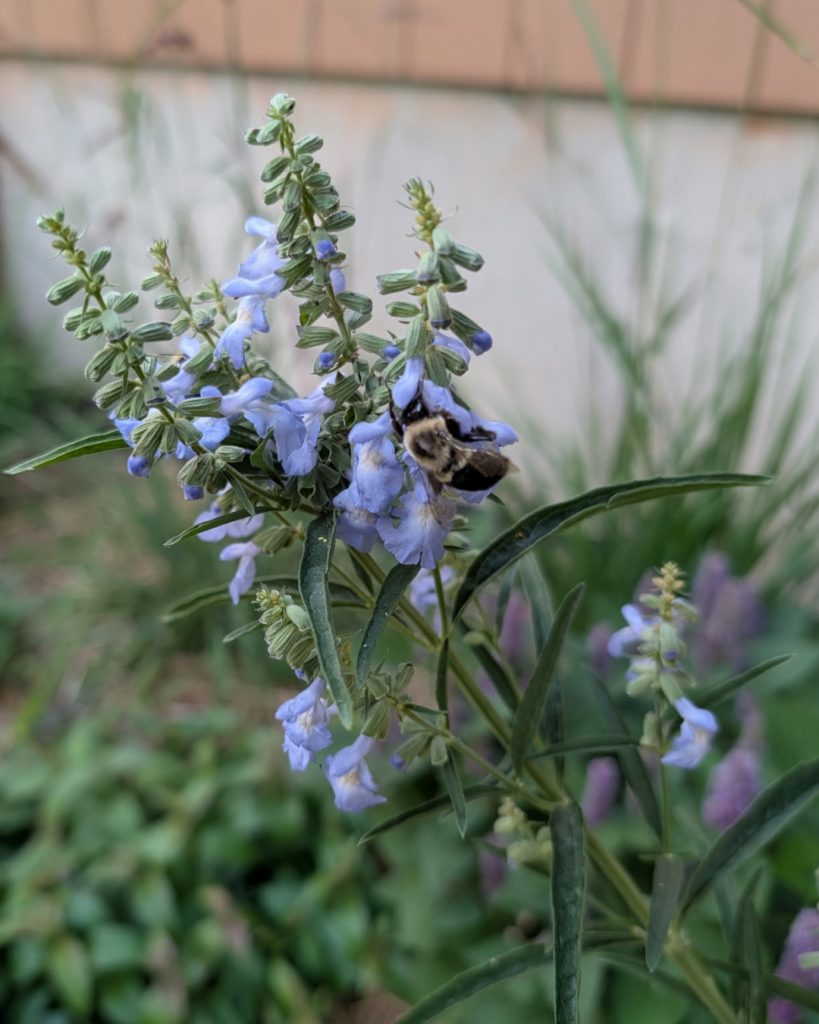
Here in the Northeast, deer are many the home gardeners’ worst enemy. Fortunately, there are deer resistant plants that may deter deer from entering your garden.
Common deer resistant plants include:
- Lavender
- Marigold
- Bee balm
- Daffodils
- Mint
- Sage
Ensure Adequate Sunlight
As we learned in elementary school, plants turn energy from the sun into food through the process of photosynthesis. Plants vary in their ability to tolerate shade, so sunlight is a major determinant in what you will be able to successfully grow in different areas.
For example, many common vegetables grown in home gardens (tomatoes, peppers, squash, etc.) need full sunlight (six or more hours of direct sunlight per day.) These plants need a lot of energy to grow the big, juicy vegetables we like to eat.
How to Determine Sunlight Hours per Day
There are several ways to track sunlight in your new space. The low tech way is to simply observe your new garden space throughout the day. Take a picture with your phone every hour to see how sunlight and shadows move across the space. You can also use apps like SunCalc or Sun Seeker to get sun position data.
Shade Tolerant Plants
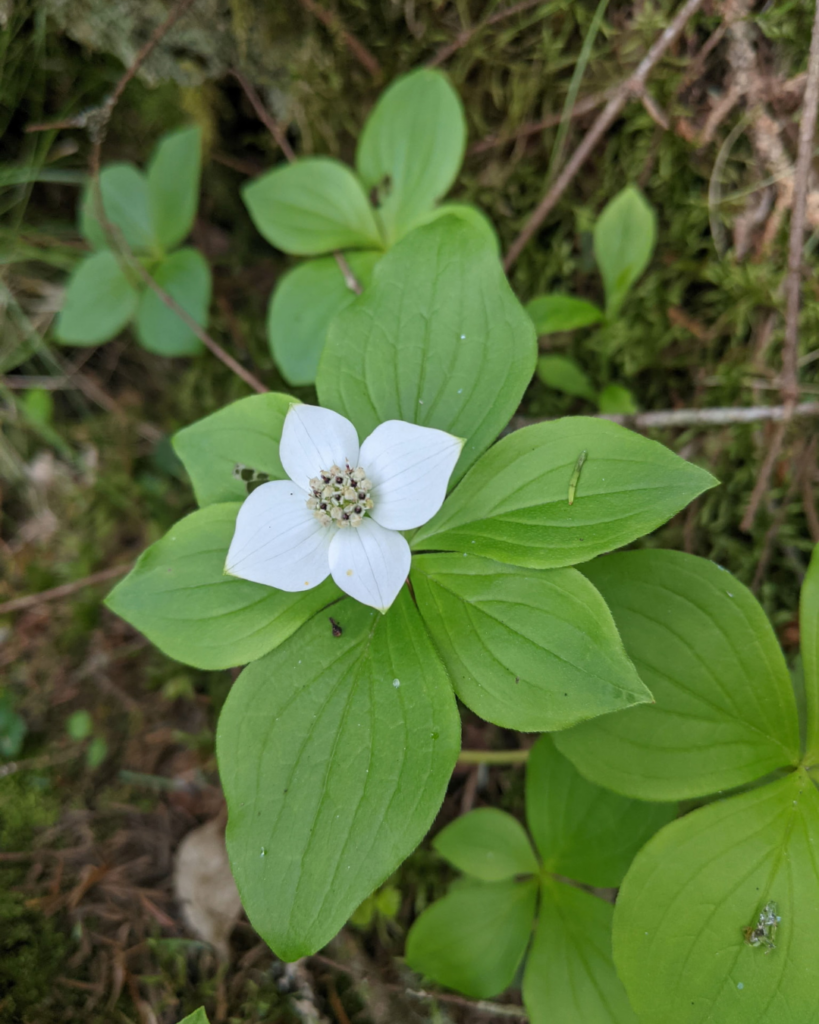
If you have shady areas, don’t despair! There are many shade-tolerant plants that work well in the low maintenance garden:
- Dogwood
- Bleeding heart
- Geranium
- Wild ginger
- Hazelnut
- Spicebush
- Witch hazel
Set Up Automatic Watering
Some plants (usually natives) are happy with the annual rainfall and won’t require you to visit with a watering can every day. On the other hand, many common garden vegetables and flowers, along with young trees and shrubs, will need deep, consistent watering.
A drip irrigation system can water your plants on an automatic timer, reducing your watering time in the garden. Though we like to minimize our reliance on the municipal water supply in our gardens, there are situations where it is necessary–especially in our busy modern lives.
Using this system, an automatic timer connected to your outside faucet will start the flow of water at preset times. The water flows through a series of tubes to your garden. The tubes have tiny holes at the base of the plants where the water will drip out at a steady pace.
Automatic irrigation systems are also great for vacations or time away from the garden!
Think in Zones
“Zones of use” is a helpful framework for garden design often employed by permaculturists. Simply stated, zones of use are areas of your property organized by how they are used and the frequency with which you visit.
Zone 1 includes the areas that will see the most use or require the most human intervention. For example, these may be areas along the walkway from the driveway to your front door and along the back porch.
It’s a simple concept that is often overlooked: if you want gardening to feel as easy as possible, place your gardens in the places you already hang out. For example, you might place a “kitchen garden” right outside your back door where you can easily water in the morning and readily harvest culinary herbs while cooking.
Embrace No Till Gardening
A no till garden is one where the soil is minimally disturbed (i.e., not tilled) in an effort to maintain (and even boost) the health of the soil. This means the garden is not tilled, dug up, or turned over and no more back-breaking work!
Instead, the soil is fortified from the top down via compost and other mulches (straw, wood chips, etc.) and not much more work on our end.
What questions do you have?
Those are our top tips for low maintenance gardening. If you have questions, drop us a line at hello@wildishgarden.co
Wildish Garden Co. offers full-service garden design, installation and maintenance. If you want help starting your own low maintenance garden or maintaining the gardens you already have, book a consultation today.
Happy gardening!